Our Process
FARM AND FRUIT
The art of winemaking starts on the farm and in the soil. Managing the health and fertility of the soil in which our trees and plants grow, maintaining an ecological diversity of life on our farm, and growing specific varieties that are appropriate to our climate, are examples of how farming practices can affect our winemaking practices. Like any truly local agricultural product, you can speak of cider as having a “terroir,” which essentially implies that it is affected by place-specific factors. We’re blessed here in the foothills of Central, VT to have an incredible diversity of cider apple trees growing wild and within abandoned orchards, rooted as legacies of an historic cider culture. This has allowed us to jump right into the art of making Cider as Wine, without having to wait 10-15 years for our nursery trees to begin bearing fruit. As we continue to graft and sow new trees for the future, we are also re-discovering and pruning-back a great number of elder apple trees that dot our local landscape. To borrow a term from the Ragione’s of Italy, we’re deep in a process of an arboreal archeology. These elder trees bear true cider apples, and date back to an age when cider was the common folks’ drink; a time when apples were grown to make a wine as profusely as grapes are grown today.
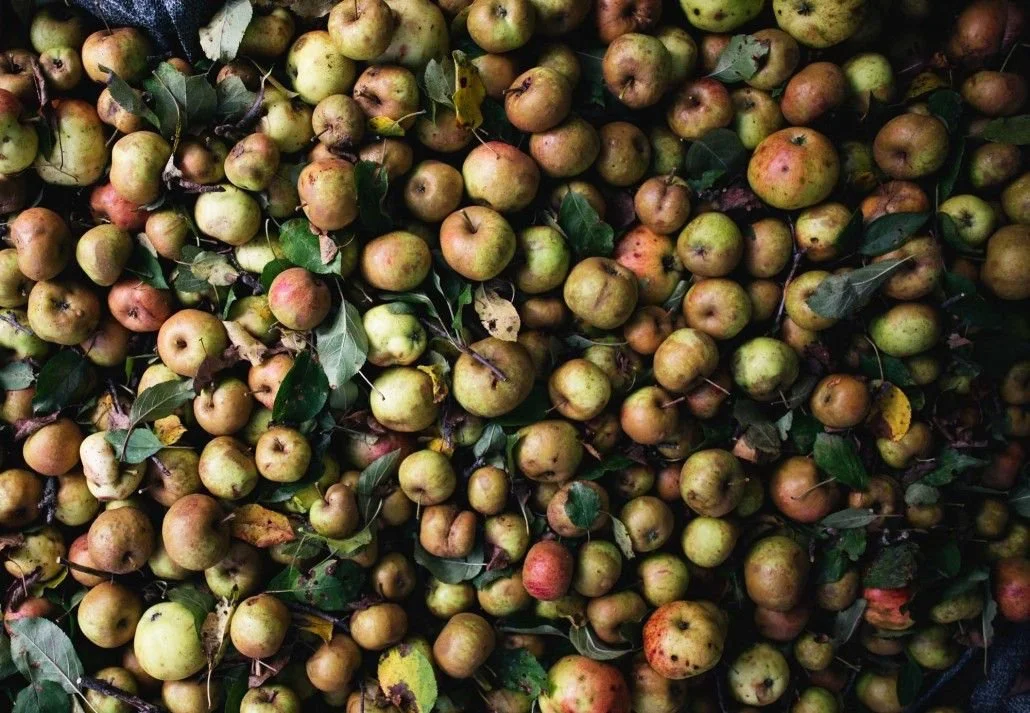
One apple is not like another. Indeed, there are several thousand known varieties of apples on the Earth, and ultimately unlimited potential for diversity. In making Cider as Wine, we draw from a blend of different types of cider apples. These are apples that display varying levels of bitter tannins and acidity. As a painter blends different hues to get the perfect color, we blend cider apples to make a well balanced apple wine. We glean our apples from August through November from local fields, forests, backyards, and orchards. As different varieties of apples ripen at different times, we end up with micro-seasonal blends of juice pertaining to the ripening times of the apples. Traditionally, Cider apples have been classified into 4 categories, from which we as cider makers blend: sharp (high acidity) bittersharp (higher tannins and acidity) sweet (low acidity) and bittersweet (high tannins, low acidity).
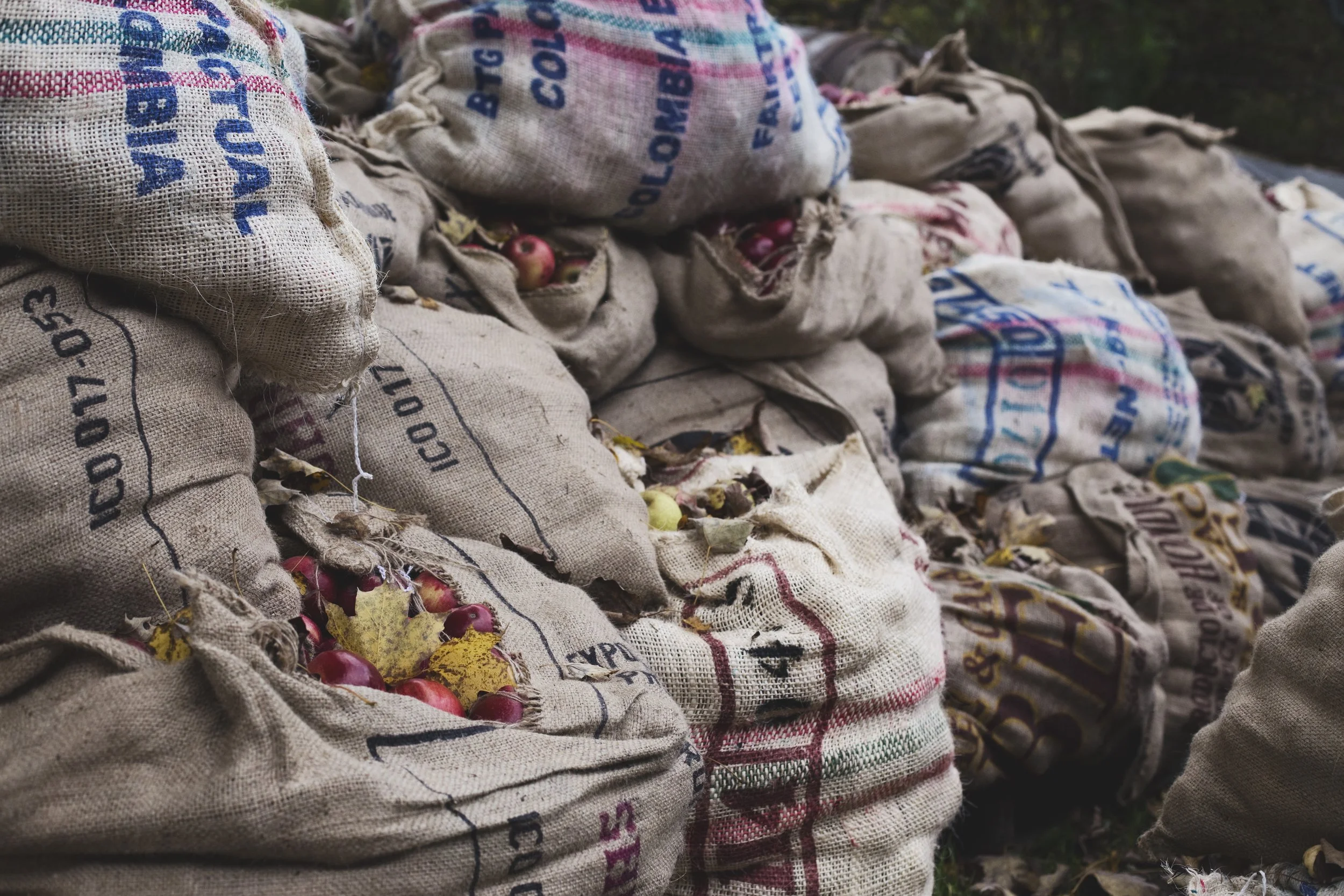
After harvesting, we allow our apples to cure in the barn for a period of time before milling and pressing.We use an Italian made water-pressure press to extract the juice from the pomace. Often times, we allow our must – raw juice – to have extended contact with the pomace – pulpy apple residue. We’ll do this before pressing, or we’ll allow pomace to enter our fermentation vessels. This process contributes to the inoculation of our musts with native cultures which carry out fermentation, while also imparting more interesting flavor profiles from the phytonutrients found in apple pomace.
BOTANICAL INFUSIONS
We truly value the art of cider making as a way to profile the diversity of apples and their yeast-bacteria culture in finished ciders. But we are also keen on using wines as a preservation medium for plant medicines gleaned from our local fields and forests. As we continue to increase production of other fruits, herbs and plants on our farm, we will begin to offer a diversity of botanical ciders and wines. We’re excited to work alongside an increasing number of farm wineries in expanding upon the notion of “terroir” to include: an integrated agricultural, environmental and cultural paradigm. We’ve experimented thus far with infusing the following herbs and fruits into our ciders, all of which were harvested from our farm: elderberry, elderflower, black and red currant, wild grape, lilac, dandelion, basil, sage, and hops.